

@elbabetancourt
Profil
Registrierung: vor 3 Tagen, 13 Stunden
The Engineering of Temperature-Regulating Bedding for Hot Sleepers
(image: https://kalaiekhab.com/wp-content/uploads/2021/07/lahaf-Tak-Yeknafare-20-600x800.jpg)
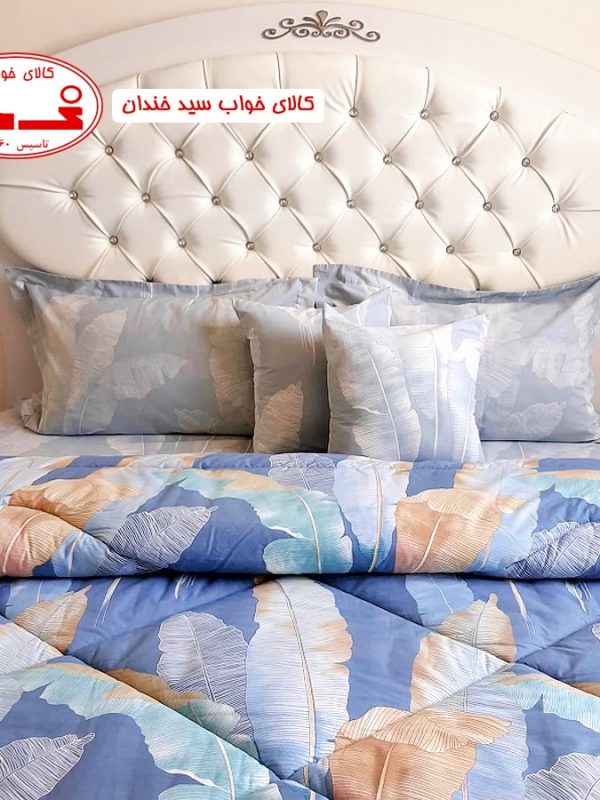
When the temperature rises and sleep becomes elusive, many people turn to temperature-regulating textiles as a solution. But what exactly makes these materials different from regular cotton? The science behind cooling fabrics involves a combination of material engineering, moisture management, and thermal regulation designed to keep the body at an comfortable night-time equilibrium.
Cooling fabrics are typically made from fibers that have been engineered to reduce heat retention. Some use biodegradable breathable materials which have intrinsic cooling and dryness-enhancing qualities. These fibers allow air to circulate more freely and transport perspiration off the surface, preventing the damp, sticky sensation that often disrupts sleep. Others incorporate advanced polymers such as PCM or carbon-infused fibers, which sequester thermal energy before emitting it over time, helping to maintain consistent thermal balance throughout the night.
Another key factor is weave design. Many cooling textiles are woven with open weaves or mesh patterns that enhance air circulation. This prevents heat buildup and allows hot air to dissipate rapidly. Some fabrics are also treated with infrared-reflective treatments that reduce thermal absorption.
Moisture management plays a vital part too. Unlike conventional fabrics that retain dampness, cooling fabrics are designed to move moisture quickly across the surface and evaporate it into the air. This process, called capillary action, keeps the skin dry and قیمت روتختی دونفره comfortable and reduces the feeling of clamminess that can lead to sleep fragmentation.
Recent advancements have even introduced fabrics infused with nano-ceramic granules or tourmaline that produce long-wave infrared energy. These rays are believed to enhance blood flow and promote a gentle cooling effect by supporting autonomic temperature balance.
It’s important to note that not all cooling fabrics work the same way for everyone. metabolic rate and perspiration patterns, room humidity and ambient temperature, and subjective comfort thresholds all influence how effective a fabric will be. But for many hot sleepers, the combination of ventilation, dryness, and thermal management offered by these innovative sleep materials makes a measurable difference in restfulness and duration.
Ultimately, cooling fabrics are not magic—they’re the result of carefully researched textile engineering aimed at aligning with physiological demands to stabilize nighttime thermal balance. By choosing the right fabric based on how it adapts to your personal sleep conditions, you can create a bedding system engineered for sustained thermal comfort.
Website: https://www.investagrams.com/Profile/brinch3556251
Foren
Eröffnete Themen: 0
Verfasste Antworten: 0
Forum-Rolle: Teilnehmer